Chef with Art Deco Border: A Designer's Review
When I first pulled up the Chef with Art Deco Border design on my screen, I wasn't just looking at another kitchen-themed digitization. I was evaluating a potential centerpiece for a client's boutique line of culinary aprons. In the world of Kitchen Cooking decor, trends cycle quickly, but the Art Deco aesthetic has staying power. It offers a blend of geometry and elegance that elevates a simple word like "CHEF" from a functional label to a stylistic statement. As a designer who spends hours tweaking stitch paths and testing tension, my initial impression was one of cautious optimism. The layout promises a vintage flair that fits perfectly with the current resurgence of retro-modern home goods, but the devil is always in the stitching details.
Visual Personality and First Impressions
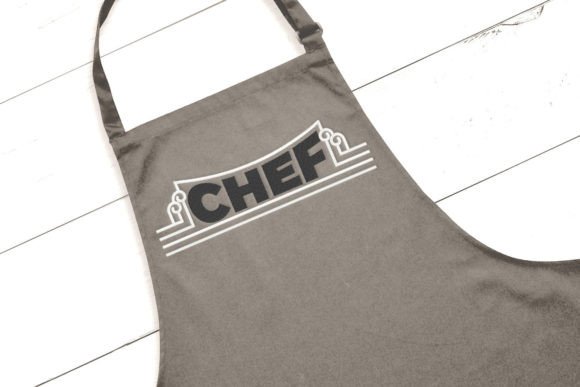
The core appeal of this machine embroidery design lies in its balance. The typography is bold and declarative, yet it is softened and framed by the decorative border elements typical of the 1920s and 30s style. This isn't just a font dump; it is a composed graphic. For an Etsy seller or a craft business owner, visual personality translates directly to perceived value. A design that looks like a generic clipart conversion will never command the same price point as one that feels curated. The Art Deco lines suggest sophistication, making this ideal for high-end custom apparel or luxury handmade products rather than cheap novelty gifts.
However, before committing to a production run, we must consider how these geometric lines translate into thread. Sharp angles in Art Deco designs can sometimes result in jagged edges if the stitch density isn't managed correctly or if the underlay is insufficient. My immediate thought was to check how the corners of the border behave. Do they pull? Do they bunch? These are the questions that separate a good embroidery project from a frustrating one.
Real-World Application: The Apron Test Case
To truly evaluate the Chef with Art Deco Border, I imagined a specific real-life scenario: creating a set of personalized aprons for a local cooking school's instructor gifts. The goal was to produce something durable enough for daily use but stylish enough to be worn outside the kitchen. I selected a heavy-weight cotton twill for the base, knowing that the texture would support the weight of the design without distorting.
In this context, the design shines. The word "CHEF" acts as a badge of honor, while the border contains the design, preventing it from looking lost on a large garment panel. If you are selling small shop products, consistency is key. This design offers a contained footprint that looks professional whether stitched on the left chest of a chef's coat or centered on a tote bag design. It creates a cohesive brand look when paired with other retro-inspired items in a collection.
For those considering this for sweatshirt embroidery, the contrast between the soft fleece and the structured Art Deco lines creates a lovely tactile experience. The raised texture of the satin stitches against the fuzzy fabric adds depth. However, one must be wary of stretchy fabric. If you attempt this on a thin jersey knit without proper stabilization, the geometric borders may warp, turning sharp lines into wavy messes.
Technical Considerations and Fabric Compatibility
While the aesthetic is strong, practical execution requires attention to technical constraints. The Chef with Art Deco Border likely utilizes a mix of satin stitch for the lettering and border outlines, and potentially fill stitch for any heavier decorative elements. This combination demands respect for your hoop size. Before purchasing the embroidery file, verify the dimensions. If the border extends too wide, it might not fit in a standard 4x4 hoop, forcing you to re-hoop or use a larger machine, which impacts production speed.
Fabric choice is equally critical. On dark fabric, the light-colored threads recommended for an Art Deco look will pop beautifully, but you must ensure your digitizer (or the original creator) included a solid underlay to prevent the background color from bleeding through. Conversely, on thin fabric like a tea towel, the density of the border could cause puckering. In such cases, using a cut-away stabilizer is non-negotiable, even if the product description suggests otherwise. Always test the design on scrap fabric first. There is no substitute for seeing how the thread colors interact with your specific material.
Special care is needed for curved surfaces like caps. The rigid nature of Art Deco geometry does not naturally conform to the front panel of a baseball cap. If you plan to use this for hat embroidery, be prepared to adjust the pull compensation or accept some minor distortion at the edges. Similarly, tiny lettering within the decorative flourishes should be inspected closely. If the details are too fine, they may fill in with thread during stitching, losing the crisp definition that defines the style.
Commercial Viability and Brand Consistency
For commercial embroidery professionals and digital product sellers, the Chef with Art Deco Border represents more than just a pretty picture; it is an asset. Its timeless style ensures it won't look dated next season, protecting your inventory investment. When customers see a well-executed Art Deco design, they associate it with quality and attention to detail. This boosts customer trust and enhances the giftability of the final item.
Imagine offering this as part of a wedding gift package for a couple who loves to cook, or as a holiday embroidery addition to a gourmet food basket. The design elevates the entire presentation. For printable mockup creators, this design photographs exceptionally well due to its clear lines and defined shapes, making it easier to market online. However, remember that what looks good on a screen must hold up in the wash. Products that need frequent washing, like aprons and pot holders, require secure stitching. Ensure the tie-offs are robust and the density isn't so high that the fabric becomes stiff and uncomfortable.
Final Designer Notes and Recommendations
Before integrating the Chef with Art Deco Border into your workflow, take a moment to review the technical specifications provided by the seller. Since exact stitch counts and file formats vary, confirm that the download includes the formats compatible with your machines. Check the licensing terms carefully; some designers allow unlimited sales of finished physical goods but restrict the resale of the digital file itself.
- Test extensively: Run a sample on the actual fabric you intend to sell to check for puckering or registration issues.
- Check contrast: Ensure your chosen thread colors provide enough contrast against the fabric, especially for the intricate border details.
- Stabilize properly: Match your stabilizer to the fabric weight, not just the design size.
- Inspect small details: Zoom in on the digital preview to ensure no elements are too close together, which could cause thread breaks.
- Verify dimensions: Confirm the design fits your intended hoop and product placement.
In conclusion, the Chef with Art Deco Border is a versatile and stylish choice for anyone operating in the Kitchen Cooking niche. It bridges the gap between utility and art, offering a professional finish that appeals to modern consumers. With careful preparation and an eye for technical detail, this embroidery design can become a staple in your catalog of design assets, helping you create finished products that stand out in a crowded marketplace.