Elephant in Water: A Pro Review for Branded Merch
As an embroidery designer who has digitized thousands of logos and reviewed countless machine embroidery design files for commercial use, I approach every new asset with a critical eye. It is not just about whether a design looks pretty on a screen; it is about how it performs under the needle, how it wears after fifty washes, and how it elevates a brand's identity. Today, I am reviewing Elephant in Water, a piece from the Wild Animals category, specifically through the lens of small business owners, boutique creators, and apparel decorators looking to upgrade their merchandise game.
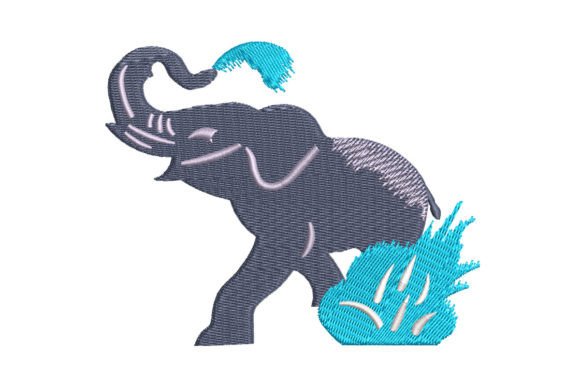
The first impression of Elephant in Water is one of serene professionalism mixed with a touch of whimsical charm. The title suggests a scene that is likely fluid and organic, which can be a double-edged sword in embroidery. However, the product description promises precision and care, claiming the design will make projects "look like a million bucks." In my experience, designs that balance natural elements with clean digitizing are gold mines for brands in the hospitality, pet, and creative sectors. This design feels less like a childish cartoon and more like a crafted emblem suitable for a premium handmade product or a sophisticated staff uniform.
Real-World Application for Small Business Merch
When evaluating Elephant in Water for commercial embroidery, the potential applications are vast. For a local café or bakery, this design could serve as a stunning chest logo on staff aprons. The imagery of an elephant often conveys strength, memory, and community—values many small businesses wish to project. Unlike aggressive predator motifs, this Wild Animals entry feels inviting, making it perfect for customer-facing roles.
Consider the versatility for an embroidered patch. Patches are currently dominating the small business merch landscape because they allow brands to add value to plain goods without high minimum orders. If you run an Etsy shop selling tote bags or canvas backpacks, applying Elephant in Water as a sew-on or iron-on patch transforms a generic item into a branded asset. The water element in the design adds depth, suggesting movement that static logos often lack. This dynamic quality helps in creating a memorable brand identity that sticks in the customer's mind.
For custom apparel shops, this design works exceptionally well on cap embroidery projects, provided the curvature of the cap is accounted for during hooping. It could also function as a sleeve detail on work shirts, offering a subtle nod to the brand without overwhelming the garment. For florists or pet brands, using this motif on product packaging accents or gift tags adds a layer of tactile luxury that digital printing simply cannot replicate.
Navigating Technical Challenges in Production
While the aesthetic appeal is high, a professional review must address the technical realities of turning a digital embroidery file into a finished product. The "water" aspect of the design implies potential gradients or flowing lines. In embroidery, these features require careful attention to stitch density. If the density is too high, the fabric may pucker, especially on softer materials like cotton tees or linen aprons. If it is too low, the coverage might look sparse and unprofessional.
Small business owners must be cautious when scaling this design down for small patch sizes or pocket logos. Intricate details in the water ripples or the elephant's skin texture might merge if the design is reduced below a certain threshold. Before committing to a large run, it is crucial to test the design on the actual fabric texture you intend to use. Dark uniforms pose another challenge; ensure the thread colors selected provide sufficient contrast against navy, black, or charcoal backgrounds. A lack of contrast can render the beautiful details of Elephant in Water invisible from a distance.
Furthermore, curved surfaces like baseball caps or rounded tote bag handles require a robust stabilizer strategy. Without proper backing, the fluid lines of the water element could distort, making the elephant appear warped. Always verify the recommended hoop size before purchasing. If the design requires a large hoop that your machine or specific garment area cannot accommodate, it may necessitate re-digitizing or splitting the design, which adds time and cost to your production workflow.
Elevating Brand Value and Customer Trust
In the crowded marketplace of handmade goods and local services, visual consistency is key to building trust. Using a high-quality embroidery file like Elephant in Water signals to your customers that you care about quality. It moves your brand away from the "DIY" look toward a polished, established presence. When a customer receives a tote bag or a uniform with crisp, well-executed embroidery, their perceived value of your brand increases immediately.
This design can act as a cornerstone for your design assets. Imagine using the embroidered version in your printable mockup photos for social media. The texture of the thread adds realism that flat graphics cannot achieve, driving higher engagement and buyer confidence. For event merch, such as a charity walk or a corporate retreat, this design offers a unique alternative to standard text-only logos, fostering a sense of belonging and pride among participants.
Essential Designer Notes for Implementation
Before you integrate Elephant in Water into your product line, follow these practical steps to ensure success:
- Test in Monochrome First: Stitch a sample in black and white to evaluate the definition of shapes without relying on color contrast. This reveals issues with spacing and density.
- Check Scalability: Verify if the design holds up at the smallest size you intend to use, particularly for lapel pins or small patches.
- Review Thread Contrast: Ensure your chosen thread palette creates enough separation between the elephant and the water elements.
- Inspect Spacing: Look for areas where stitches might overlap excessively or leave gaps, which can affect durability.
- Confirm Hoop Requirements: Double-check that the design fits within your available hoop dimensions for the specific garments you are decorating.
- Test on Real Fabric: Never rely solely on screen simulations. Stitch on the exact material your final product will use to check for puckering or pull.
- Use Proper Stabilizer: Match your stabilizer type (cut-away, tear-away, or water-soluble) to the fabric weight to support the design's integrity.
- Create a Client Mockup: If working for a client, present a physical stitched sample or a high-quality rendered mockup for approval before full production.
- Compare Assets: Place this design beside your existing logo variations to ensure visual harmony across all brand touchpoints.
- Verify Licensing: Crucially, confirm the commercial licensing terms. The description mentions making projects look great, but you must ensure you have the rights to use the digital embroidery file for resale or commercial branding.
The product description notes that the design is crafted with precision, but it does not specify exact stitch counts, file formats, or specific license limitations. Therefore, it is imperative to contact the vendor or read the fine print regarding these technical specs before launching a production run. Assuming compatibility without verification can lead to costly errors in a commercial setting.
In conclusion, Elephant in Water represents a strong candidate for businesses seeking to blend nature-inspired aesthetics with professional branding. Whether used for apron embroidery in a bustling kitchen, a tote bag design for a weekend market, or a detailed patch for a uniform, its success lies in thoughtful execution. By respecting the technical constraints of embroidery and leveraging the emotional resonance of the imagery, small business owners can turn this single design asset into a powerful tool for growth and recognition.