Frame Applique: The Elegant Border for Craft Fair Success
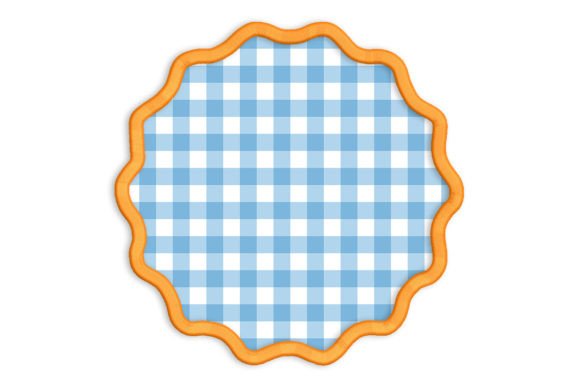
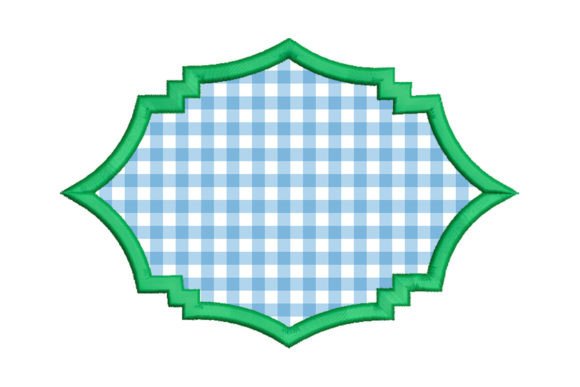
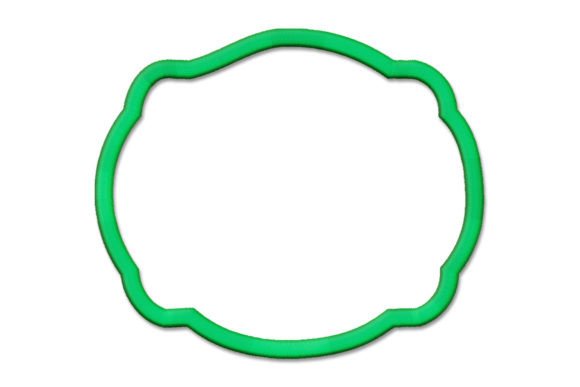
As I spread out my samples on the folding table this morning, preparing for another weekend of craft fairs and handmade markets, my eyes kept drifting back to one specific machine embroidery design: the Frame Applique. In the world of commercial embroidery and boutique making, first impressions are everything. When a customer walks past your booth, they have mere seconds to decide if your products warrant a stop. This particular piece, categorized under Borders, immediately struck me as sophisticated and elegant. It does not scream "cute" or "rustic farmhouse"; instead, it whispers premium quality. For an Etsy seller or a physical booth owner, that distinction is vital. It suggests that the item inside the frame—or the item bearing the frame—is special, curated, and worth a higher price point.
Visual Impact and Product Versatility
The true test of any digital embroidery file is how it translates from the screen to a tangible finished product. The Frame Applique shines because of its versatility. I envisioned it instantly on a crisp white linen tote bag design. Placed centrally, it creates a ready-made space for a monogram or a custom name, turning a generic bag into a personalized luxury item. Similarly, for apron embroidery, this frame acts as a professional logo placeholder or a decorative pocket accent that elevates the garment from utility wear to chef chic.
Kitchen textiles are another strong contender. On a waffle-weave tea towel embroidery project, the intricate details of the frame catch the light beautifully, adding texture without overwhelming the fabric. However, the real star here might be the embroidered patch. If you digitize this as a stand-alone patch with a merrowed edge, it becomes a high-margin small shop product that customers love to collect. It also works wonderfully on structured items like caps, provided the curvature of the front panel is accounted for during hooping. Even soft goods like fabric pouches and pillow covers benefit from this Embroidery style, as the frame provides a defined boundary that makes the stitching look intentional and polished.
Production Realities for the Busy Maker
When running a booth, efficiency is just as important as aesthetics. Can you batch produce these items quickly? The Frame Applique seems designed for repeatability. Because it is a border element, it often requires less thread coverage than a full-fill graphic, potentially reducing production time per unit. However, we must discuss the technical nuances. The description mentions "intricate and sophisticated" details. In the real world, this means we need to pay close attention to stitch density. If the stitches are too dense on a lightweight fabric, you risk puckering. Conversely, if they are too sparse on a thick towel, the design might look unfinished.
Before committing to a full run of inventory, I always advise testing the embroidery file on scrap fabric that matches your final product. Check the thread colors against your fabric choices; a gold thread on navy blue pops differently than on cream. You must also confirm the hoop size required. If the frame is large, ensure your machine can handle the dimensions without needing a re-hoop mid-design, which introduces alignment errors. Furthermore, the choice of stabilizer is critical. For a frame meant to hold text or highlight a moment, the surrounding fabric must remain perfectly flat. A cut-away stabilizer is often safer for items that will be washed frequently, like aprons and towels, while a tear-away might suffice for decorative wall hangings.
Navigating Fabric Textures and Limitations
Not every surface is created equal. While this design is stunning on smooth cotton or linen, caution is needed with highly textured materials. On a looped terry cloth towel, the fine lines of the frame might get lost or appear jagged. Similarly, when applying this to dark fabrics, ensure your underlay stitches are sufficient to prevent the background fabric from showing through the elegant curves. Small lettering placed inside the frame should be avoided unless you are certain of the minimum legible size; intricate borders can sometimes visually crowd small text, making it hard to read from a distance at a busy market.
Curved surfaces present another challenge. If you are putting this on a cap, the frame might distort slightly at the edges if the design is too wide. Always create at least one real mockup on the actual product you intend to sell. Do not rely solely on a printable mockup for your online listings. While design assets and digital previews are great for planning, nothing replaces holding the physical item in your hands to judge the fabric texture interaction and the overall drape.
Maximizing Sales and Brand Consistency
From a marketing perspective, the Frame Applique is a powerhouse for brand consistency. If you use this frame on your booth signage, your business cards, and your product tags, it creates a cohesive visual language that customers recognize. It signals that you are a professional who cares about presentation. For online listings, this design photographs exceptionally well. The defined lines create natural focal points for product photography, making your images look clean and high-end on platforms like Etsy or Instagram.
Ultimately, the value of this design lies in its ability to make the customer feel like they are buying something bespoke. It transforms a simple tote or towel into a keepsake. However, a crucial reminder for all creative entrepreneurs: before selling any craft fair product featuring this design, you must verify the licensing terms. Ensure that the digital embroidery file includes commercial rights if you plan to sell finished goods. Never assume; always check the specific license included with your purchase. By combining careful production techniques with strategic product selection, the Frame Applique can become a cornerstone of your handmade collection, driving both attention and sales at your next market event.