Multicolor Peacock Feather: A Craft Fair Best-Seller Review
As an embroidery designer preparing for a busy weekend at the local artisan market, my table setup is everything. I am not just stitching; I am curating a visual experience that stops customers in their tracks. Today, I am putting the Multicolor Peacock Feather under the microscope. This isn't just about whether the stitches look good; it is about whether this design will convert browsers into buyers. Based on the description of a "charming and elegant" motif, my first impression is that this design leans heavily toward the premium and decorative side of the spectrum. It feels less like a rustic farmhouse item and more like a statement piece suitable for boutique makers who want to elevate their brand.
First Impressions and Visual Impact
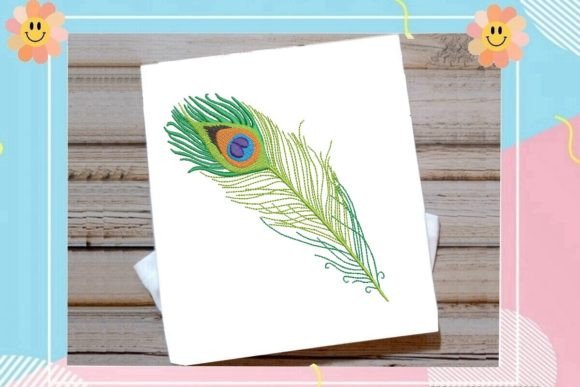
When I pull up the preview of the Multicolor Peacock Feather, the immediate takeaway is its potential for color play. Peacock feathers are naturally iridescent, and a machine embroidery design attempting to capture this needs to handle thread transitions smoothly. For a craft fair booth, bold colors are essential because they catch the eye from across the aisle. This design likely serves as a stunning focal point rather than a subtle accent. The "delicate" nature mentioned in the product description suggests fine detailing, which implies a higher perceived value. Customers often associate intricate feather details with luxury, making this an excellent candidate for higher-priced handmade products.
In the context of the Birds category, peacocks are timeless. They do not suffer from seasonal trends the way some holiday-specific designs do. This makes the Multicolor Peacock Feather a safe bet for year-round inventory. Whether it is spring or winter, the elegance of the peacock remains relevant. For an Etsy seller or a physical booth owner, having a design that works in multiple seasons reduces the pressure to constantly create new assets.
Product Suitability for Market Sales
The real test for any digital embroidery file is how it translates onto actual goods. I am imagining my display table filled with various items. Here is where I see this design shining:
- Tote Bag Design: A large tote bag made of natural canvas provides the perfect neutral background. The multicolor threads will pop against the beige fabric, creating a high-contrast look that screams "buy me." This is likely the strongest seller in the lineup.
- Apron Embroidery: For the home cook or the gardener, an apron featuring this feather adds a touch of whimsy and sophistication. It transforms a utility item into a fashion statement.
- Tea Towel Embroidery: While beautiful, tea towels can be tricky. If the stitch density is too high, the towel may pucker or feel stiff. However, if placed correctly near the hem, it makes for a lovely gift set.
- Embroidered Patch: Creating iron-on or sew-on patches is a fantastic way to utilize this design. Patches allow customers to customize their own denim jackets or backpacks, expanding your target audience beyond just those who buy finished goods.
- Pillow Covers: A decorative pillow with a central peacock feather motif fits perfectly in modern boho or eclectic home decor styles. This is a high-ticket item that can significantly boost booth revenue.
For commercial embroidery applications, such as branding for a local boutique, this design offers a unique logo alternative. It is distinctive enough to be recognizable but artistic enough to remain tasteful.
Production Realities and Practical Considerations
Before I commit to stitching fifty units for the fair, I need to address the practicalities of production. The description notes the design is "delicate," which often means there are small details that require precision. When working with thick fabric like denim or heavy canvas, I must ensure the needle can penetrate without breaking and that the design does not get lost in the texture. Conversely, on textured towels, fine lines might disappear. I would recommend testing this on a smooth, tight-weave fabric first to ensure clarity.
Another critical factor is the hoop size. Since the specific dimensions are not provided in the brief description, I must advise fellow crafters to check the file details before purchasing. If the design is too large for a standard cap hoop, it won't work for headwear. Speaking of caps, the curved surface of a baseball hat presents a challenge for wide designs. If the Multicolor Peacock Feather has a wide spread, it might distort on a cap. It is likely better suited for flat surfaces like bags and pillows unless it is a vertical, narrow variation.
Regarding thread colors, a multicolor design means more stops and starts. For batch production at a craft fair, this increases production time. I need to calculate if the extra time spent changing threads is justified by the higher price point I can charge for the finished product. If the design requires twelve different thread colors, it might be too slow for a high-volume day. However, the visual payoff is usually worth the extra minutes per item.
Maximizing Sales Through Presentation
How does this design affect buyer engagement? In a crowded market, visual appeal is currency. The Multicolor Peacock Feather acts as a magnet. When a customer sees the shimmer of the threads and the complexity of the feather eye, they stop to look closer. This pause is where the sale happens. It elevates the perceived quality of the entire booth. Even if they don't buy the pillow, they might buy a smaller item because they trust the quality of your work based on that one impressive piece.
For online listings, photography is key. This design should photograph beautifully, especially in natural light where the different thread tones can catch the sun. Creating a printable mockup for your Etsy shop using this design can help visualize the product before you even stitch the first sample. High-quality images of the finished product on a model or in a styled home setting will drive clicks and conversions.
Designer Notes for Success
To ensure the Multicolor Peacock Feather performs flawlessly in your small shop product line, follow these professional tips:
- Test on Scrap Fabric: Never run a new design on your final product first. Stitch it out on a similar scrap to check for registration issues.
- Check Thread Contrast: Ensure your thread colors match the preview. Sometimes digital screens show colors differently than the actual spools.
- Review Spacing: Look for areas where stitches might overlap too much, causing bulk, or gaps that show the fabric underneath.
- Confirm Hoop Size: Verify the design fits your available hoops to avoid unnecessary re-hooping.
- Inspect Stitch Density: If the design feels too stiff after stitching, consider reducing the density in your software if you have the editing skills, or choose a lighter fabric.
- Use the Right Stabilizer: For delicate details, a cut-away stabilizer often provides better support than tear-away, preventing distortion over time.
- Create Real Mockups: Take photos of the actual stitched item, not just the digital file, to build trust with customers.
- Compare Fabric Colors: Test the design on both light and dark fabrics. You may need to adjust the underlay or thread colors for dark backgrounds to maintain visibility.
- Confirm Commercial Licensing: Always read the license terms included with the design assets. Ensure you are allowed to sell finished products made with this file before listing them in your store.
In conclusion, the Multicolor Peacock Feather appears to be a versatile and high-value addition to any embroidery business. Its blend of charm and elegance makes it suitable for a wide range of handmade products, from everyday tote bags to luxury home decor. By paying attention to fabric choice, stabilizer selection, and production efficiency, craft fair sellers and online entrepreneurs can turn this single machine embroidery design into a profitable cornerstone of their inventory. Remember, the devil is in the details, so always verify the specific file specs like stitch count and format before committing to a large production run.