Ethnic Embroidery Border Pattern Review for Business
As an embroidery designer who has spent years digitizing and stitching designs for small businesses, I know that choosing the right design assets is about more than just aesthetics. It is about functionality, durability, and how well a graphic translates into thread. Recently, I had the opportunity to review the Ethnic Embroidery Border Pattern, a colorful geometric vector file intended for textile borders and decorative runners. My goal was to evaluate its potential not just as a decoration, but as a core component of small business merch and branded identity for local shops, boutiques, and creative studios.
First Impressions: Visual Personality and Brand Fit
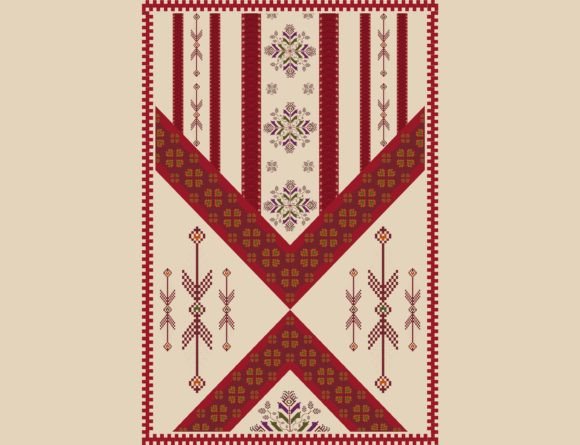
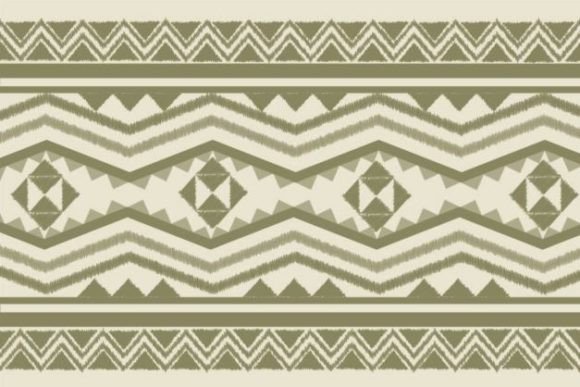
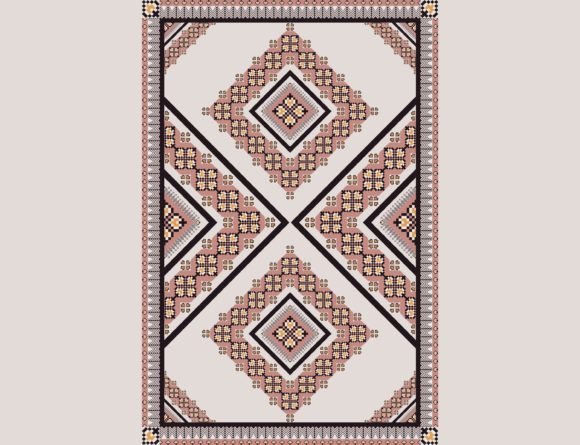
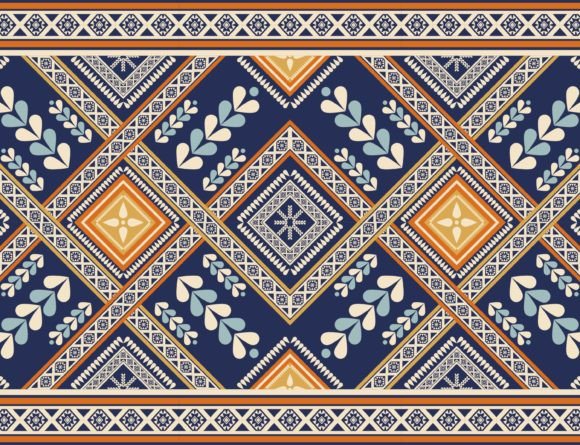
Upon opening the file, the Ethnic Embroidery Border Pattern immediately strikes a balance between rustic charm and modern geometry. The overlapping square motifs and vibrant color palette suggest a handmade quality that feels authentic rather than mass-produced. For a bakery, florist, or boutique looking to convey a "crafted with care" message, this design hits the mark. It feels friendly and inviting, yet structured enough to look professional on staff uniforms or packaging.
The seamless nature of the pattern makes it incredibly versatile. Unlike a static logo that sits in one spot, this border can be adapted to run along the hem of an apron, the cuff of a shirt, or the edge of a tote bag. However, because it is categorized under Patterns and Graphics, it requires a strategic approach to ensure it serves as a brand enhancer rather than visual noise. The key is in how you apply it to your specific brand identity.
Real-World Applications for Small Business Merch
In a real-world scenario, imagine a local coffee shop wanting to upgrade their barista uniforms. Using the Ethnic Embroidery Border Pattern as a sleeve detail or a chest accent on a dark work shirt adds a touch of personality without overwhelming the customer. Similarly, a pet brand could use this design to create limited-edition bandanas or collar tags, leveraging the geometric shapes to create a recognizable visual signature.
For Etsy sellers and crafters, this digital embroidery file offers excellent potential for custom apparel. It works beautifully as an embroidered patch that can be sewn onto canvas tote bags or denim jackets. Because the design is described as a border, it is perfect for framing other elements, such as a business name or a simple icon. When used on product packaging accents, like a fabric tag on a handmade quilt or a runner on a gift box, it elevates the perceived value of the finished product.
The versatility extends to event merchandise as well. For a creative studio hosting a workshop, this pattern could be stitched onto aprons given to participants, serving as both a functional item and a memorable keepsake that promotes the studio long after the event ends.
Technical Considerations and Production Challenges
While the visual appeal is strong, any experienced embroiderer knows that beauty must be balanced with technical feasibility. When reviewing the Ethnic Embroidery Border Pattern for commercial embroidery, there are several areas where caution is required. The description mentions "colorful ethnic pattern," which implies a potentially high number of thread colors. In production, every color change adds time and cost. For small batch runs, this might be acceptable, but for larger uniform orders, you may need to simplify the palette.
One critical factor is stitch density. Geometric patterns with overlapping squares can sometimes result in dense stitch areas that cause fabric puckering, especially on lighter materials like poly-cotton blends used in shirts. Before committing to a full run, it is essential to test the design on the actual fabric you intend to use. Textured fabrics, such as linen aprons or canvas totes, generally handle this type of design better than smooth, thin synthetics.
Additionally, consider the application surface. If you plan to use this for cap embroidery, remember that the curved front panel can distort linear border patterns. The geometric squares might appear warped if the digitizing does not account for the cap's curvature. Similarly, for very small patches, the intricate details of the overlapping squares might merge together, losing definition. It is crucial to check if the design holds up at smaller sizes before marketing it as a patch option.
Impact on Brand Identity and Customer Trust
Consistency is the cornerstone of brand recognition. Using the Ethnic Embroidery Border Pattern across various touchpoints—from staff apron embroidery to tote bag design—creates a cohesive visual language. When customers see the same distinctive geometric motif on your website, your packaging, and your team's clothing, it builds trust and professionalism. It signals that attention to detail is a priority for your business.
Furthermore, the "handmade" aesthetic of this pattern resonates well with consumers who value authenticity. In a market saturated with generic prints, a genuinely stitched border pattern communicates quality and effort. This can directly influence buyer engagement and justify a higher price point for your goods. It transforms a standard item into a piece of art, reinforcing the narrative of a unique, local, or artisanal brand.
Practical Designer Notes for Implementation
To ensure the best results when using this machine embroidery design, I recommend following these practical steps:
- Test in Black and White First: Before approving the full-color version, stitch a monochrome sample. This helps you verify that the contrast between the geometric shapes is sufficient and that the design reads clearly without relying on color differentiation.
- Check Scalability: Verify if the pattern works at the specific size you need for a small patch or a subtle sleeve detail. If the lines become too close, the design may need re-digitizing.
- Review Thread Contrast: Ensure your chosen thread colors provide enough contrast against your base fabric, especially for dark uniforms where visibility is key.
- Confirm Hoop Size: Since this is a border pattern, check the maximum repeat length against your available hoop size. You may need to hoop multiple times for longer borders, requiring precise alignment.
- Use Proper Stabilizer: Given the potential for dense stitching, select a stabilizer that matches your fabric weight to prevent distortion during washing.
- Create a Printable Mockup: Always present a printable mockup to your client or visualize it yourself before stitching. This saves time and thread if adjustments are needed.
- Verify Licensing: Most importantly, confirm the commercial licensing terms before using this design for business purposes. Ensure you have the rights to sell items featuring this embroidery file.
In conclusion, the Ethnic Embroidery Border Pattern is a robust asset for small business owners willing to invest in quality branding. While it requires careful technical consideration regarding stitch density and fabric choice, its ability to enhance brand identity and add a premium, handmade feel to merchandise makes it a valuable addition to any embroidery shop's library. By testing thoroughly and applying it strategically, you can turn this geometric pattern into a powerful tool for business growth.