Ethnic Embroidery Geometric Pattern Review
As an embroidery designer who has spent years testing digital files for real-world application, I approach every new machine embroidery design with a critical eye. My goal is never just to stitch a pattern; it is to create a finished product that brings joy to a customer. Recently, I acquired the Ethnic Embroidery Geometric Pattern from the Patterns and Graphics category to evaluate its potential for my personalized gift shop. This review details my experience testing this vector ethnic geometric pattern, specifically looking at its viability for baby products, home decor, and high-value custom orders.
First Impressions: Mood and Aesthetic Appeal
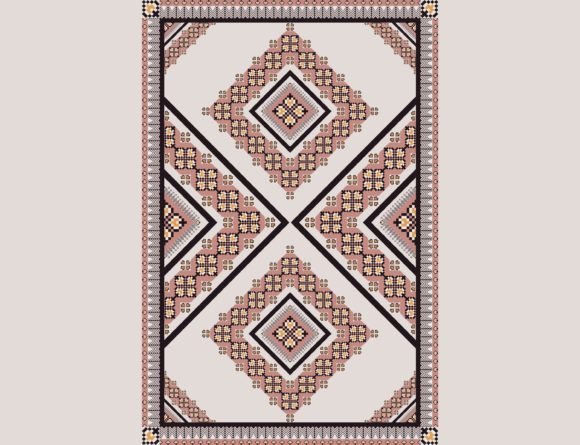
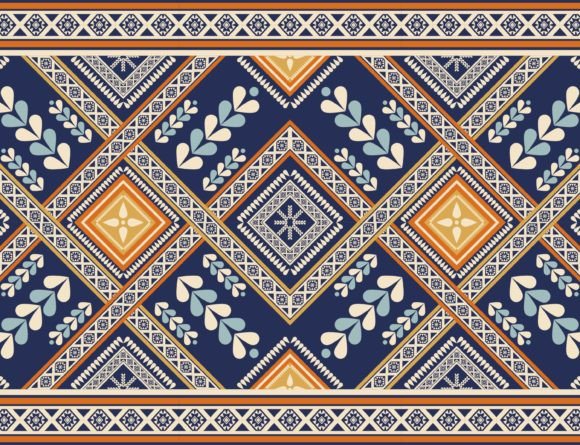
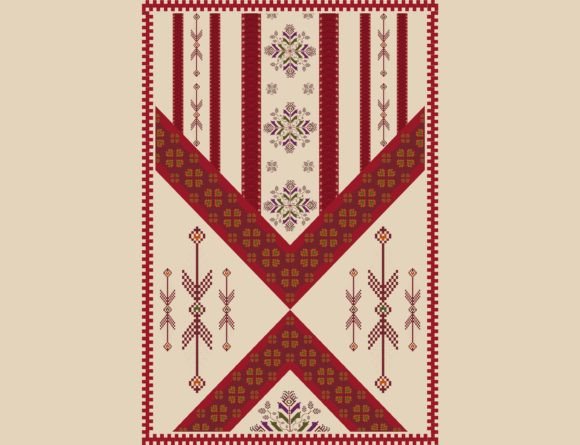
Upon loading the digital embroidery file, the first thing that struck me was the unique fusion of traditional motifs with a modern pixel art style. The design carries a distinct mood—it feels both classic and contemporary. There is a charming, handmade quality to the geometric lines that suggests warmth without being overly fussy. It is not strictly romantic or sweet in the way floral designs often are; instead, it possesses an elegant, grounded energy that appeals to customers looking for something sophisticated yet culturally rich.
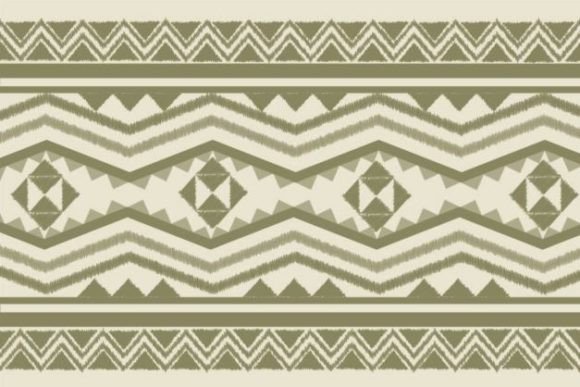
The detail level is impressive for a geometric piece. Often, simple shapes can look flat when stitched out, but this pattern utilizes varied stitch directions to create texture and depth. For an Etsy seller or small business owner, this visual interest is crucial. It stops the scroll in a crowded marketplace. The emotional appeal lies in its versatility; it feels at home in a bohemian nursery just as easily as it does in a modern kitchen. When planning a personalized gift, having a design that transcends specific seasons or fleeting trends is a massive advantage.
Real-World Applications for Custom Orders
In my shop, I constantly receive requests for meaningful items like baby blankets, kitchen towels, and wedding keepsakes. I tested the Ethnic Embroidery Geometric Pattern across several of these substrates to see how it performs as a handmade product.
- Baby Embroidery: For a nursery item or baby blanket, the geometric nature of the design is perfect. It is gender-neutral and pairs beautifully with organic cottons. However, one must be mindful of the stitch density. Babies have sensitive skin, so ensuring the back of the stitching is clean and not too abrasive is essential.
- Wedding Gifts: I envision this pattern working wonderfully on linen table runners or pillow covers for a couple with a love for travel or global aesthetics. It adds a touch of artisanal flair to a wedding gift without overpowering the fabric.
- Home Decor: The description mentions its use for wall tapestries and rugs. While I primarily work with apparel and soft goods, the scale of this pattern suggests it would look stunning on a large tote bag or an apron. The "carpet" inspiration gives it a border-like quality that frames a monogram nicely.
- Kitchen Linens: An embroidered towel featuring this design elevates a simple flour sack towel into a premium item. The contrast between the rustic fabric and the precise geometric stitches creates a high perceived value.
Technical Considerations and Fabric Challenges
While the design is beautiful, a professional designer knows that beauty must be balanced with practicality. There are specific scenarios where the Ethnic Embroidery Geometric Pattern requires careful handling.
First, consider the fabric texture. On thick towels or heavy canvas, the pixel-art style details might get lost if the needle cannot penetrate deeply enough or if the fabric pile obscures the sharp lines. Conversely, on stretchy baby clothes, the stability of the geometric lines is paramount. If the design stretches out, the "pixel" effect will distort, ruining the crisp look. I strongly advise using a high-quality cut-away stabilizer for knits to maintain the integrity of the shape.
Dark fabrics present another challenge. Since this is a geometric pattern relying on shape definition, using light thread colors on dark fabric can sometimes cause readability issues if the satin stitches are too narrow. I recommend running a test on scrap fabric similar to your final product. Check the contrast carefully. If the design includes very small lettering or intricate inner details, ensure your machine tension is dialed in perfectly, as these areas are prone to bird-nesting on textured materials.
Furthermore, curved surfaces like the pocket of a hoodie or a rounded pillow cover can distort straight geometric lines. Always hoop your stabilizer and fabric tightly to prevent shifting. If you are creating a printable mockup for a client preview, remember that the digital representation may look flatter than the stitched reality, which has dimension.
Enhancing Giftability and Perceived Value
Why choose this specific design over others? The answer lies in giftability and customer trust. When a customer receives a item featuring the Ethnic Embroidery Geometric Pattern, they immediately recognize the effort involved. It does not look like a mass-printed transfer; it looks like a custom embroidery piece created with care. This perception of handmade quality builds trust in your brand.
For product photography, this design is a dream. The geometric lines create natural leading lines for the camera, making it easy to compose shots that highlight the texture of the thread against the fabric. Whether you are selling a small shop product on a local craft fair table or listing a commercial embroidery item online, the visual impact of this pattern drives buyer engagement. It tells a story of heritage and craftsmanship, which allows you to command a higher price point for your finished product.
Practical Notes for the Studio
Before integrating this embroidery file into your regular production line, follow these steps to ensure success:
- Test on Scrap Fabric: Never skip this step. Stitch the design on the exact material you intend to sell to check for puckering or registration errors.
- Confirm Hoop Size: The product description does not specify exact dimensions. You must verify the hoop size required to ensure it fits your intended item, especially for smaller projects like baby bibs.
- Review Stitch Density: Check if the density is appropriate for the fabric weight. High density on lightweight fabric can cause tearing or stiffness.
- Check Commercial Licensing: Since this is a digital asset from a graphics provider, confirm the license terms regarding commercial embroidery. Ensure you are allowed to sell the physical items you create with this file.
- Inspect Small Details: After stitching, examine the pixel edges closely. If they appear jagged or loose, adjust your tension or switch to a sharper needle.
In conclusion, the Ethnic Embroidery Geometric Pattern is a versatile and emotionally resonant addition to any designer's library. It bridges the gap between traditional ethnic art and modern design sensibilities. With proper testing regarding stabilizer choice and fabric compatibility, it serves as an excellent foundation for creating memorable baby gifts, wedding keepsakes, and home decor items that customers will cherish for years.